Camping in Vietnam: The Most Beautiful Spots Between Sea and Mountains
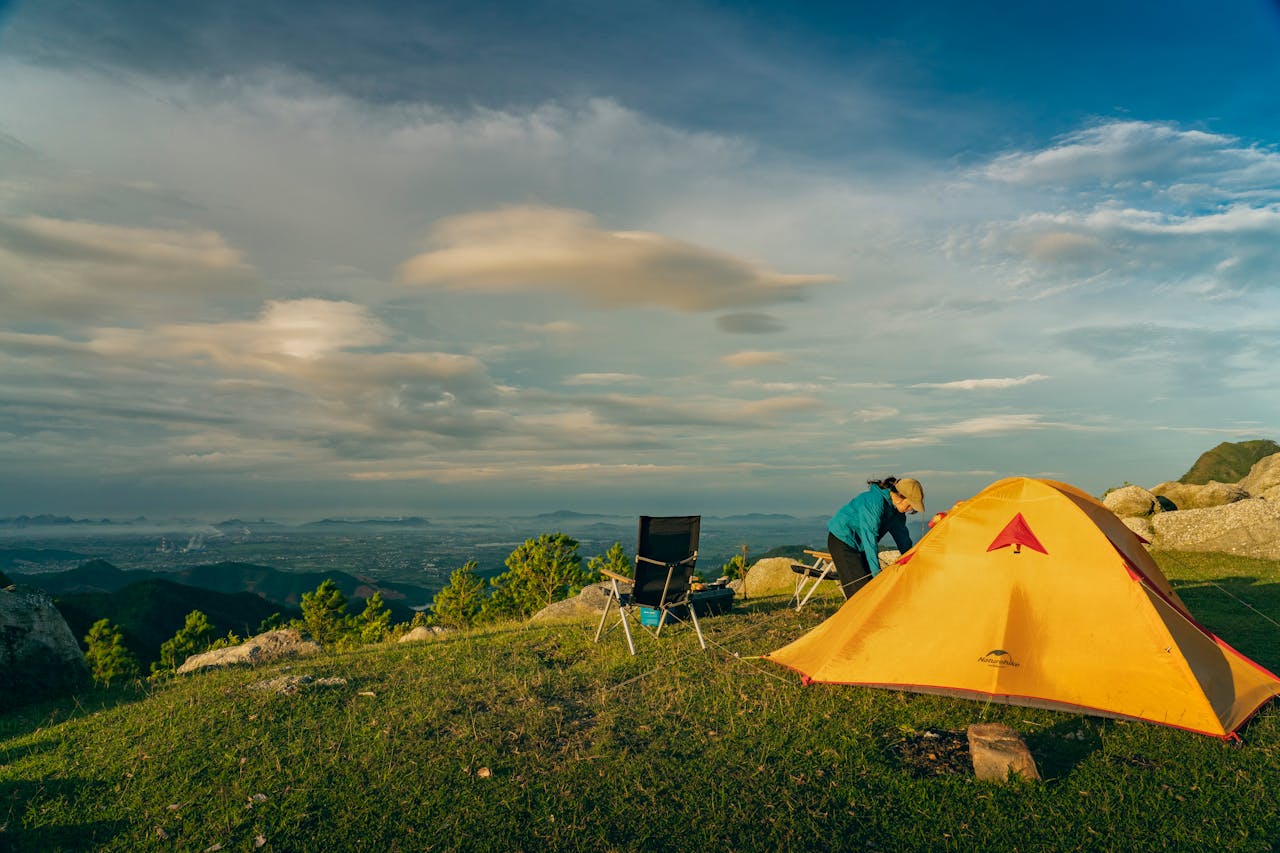
Vietnam isn’t the first country that comes to mind when you think about camping, right ? And honestly, that’s kind of crazy when you realize what this place has to offer. I mean, you’ve got karst peaks that literally drop into turquoise water, rice terraces that look unreal at sunrise, and beaches where you can pitch a tent just meters from the waves. It’s wild that more people don’t talk about it.
The camping scene here is still pretty raw, which is actually part of the appeal if you ask me. You won’t find mega campsites with heated pools and Wi-Fi like you might discover on https://www.les-meilleurs-campings.fr, but that’s exactly the point. What you get instead is authenticity, incredible landscapes, and this feeling that you’re actually experiencing something real. Sure, facilities can be basic, but come on-when you wake up surrounded by limestone cliffs or with your feet basically in the South China Sea, who cares about fancy showers ?
Ha Long Bay and Cat Ba Island : Camping on the Water’s Edge
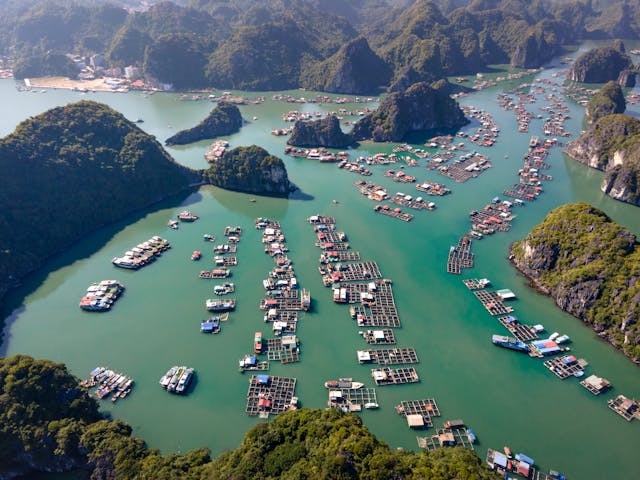 Let’s start with the obvious one. Ha Long Bay is famous for a reason, but here’s the thing most tourists miss : you can actually camp there. Cat Ba Island, specifically, has several spots where you can set up camp right by the water. Cat Co beaches (there are three of them) allow camping, and frankly, waking up to those limestone karsts emerging from the mist is something you won’t forget.
The best spot ? Probably Cat Co 3, the smallest and quietest of the trio. You’ll need to bring your own gear because rental options are limited. Water is generally calm in the dry season (November to April), which makes it perfect for kayaking straight from your tent. Just know that weekends can get busy with Vietnamese families, so aim for weekdays if you want more peace.
Sapa and the Northern Mountains : Terraced Dreams
Now if you want mountains, Sapa delivers big time. The camping here is different-it’s more about homestays combined with trekking and wild camping in the valleys. Ta Van and Lao Chai villages are your base camps, and from there, you can negotiate with local guides to camp out in the rice terraces.
I’m talking about spots like the area around Fansipan’s lower slopes or near the Muong Hoa Valley. September and October are incredible because the terraces turn golden before harvest. You’ll need a local guide though-it’s not really a “just show up and pitch a tent” situation. Temperatures can drop to 10°C at night even in summer, so bring proper sleeping gear. Some people underestimate how cold it gets up there and regret it.
Phong Nha-Ke Bang : Jungle Camping Near the Caves
This is where it gets properly adventurous. Phong Nha-Ke Bang National Park is home to some of the world’s largest caves, and several tour operators offer camping experiences inside the jungle or even near cave entrances. Son Doong gets all the attention (and costs thousands of dollars), but honestly, you can camp near Paradise Cave or in the Hang En cave system for way less.
Oxalis and other companies run multi-day treks that include camping by underground rivers. Is it budget camping ? Absolutely not. But the experience of sleeping in a cave that could fit a 40-story building is kind of insane. For DIY camping, the area around Phong Nha town has guesthouses that rent gear, and you can camp along the Son River or in designated spots in the buffer zone. Just get permission from park authorities first.
Phu Quoc and the Southern Islands : Beach Camping Done Right
Down south, Phu Quoc offers something completely different. The island’s still developing (read : being slowly taken over by resorts), but the northern beaches like Bai Thom and Ganh Dau still allow camping. You’re looking at white sand, warm water year-round, and sunsets that are genuinely stunning.
Permits aren’t strictly required for beach camping, but it’s respectful to ask local authorities or beach managers. Some beaches have small fees (like 50,000-100,000 VND per night). The best time is dry season, December through March, because monsoon rains from May to October can be brutal. Bring mosquito nets-seriously, don’t skip this. The sand flies at dusk are no joke.
Dalat and the Central Highlands : Lake and Pine Forest Camping
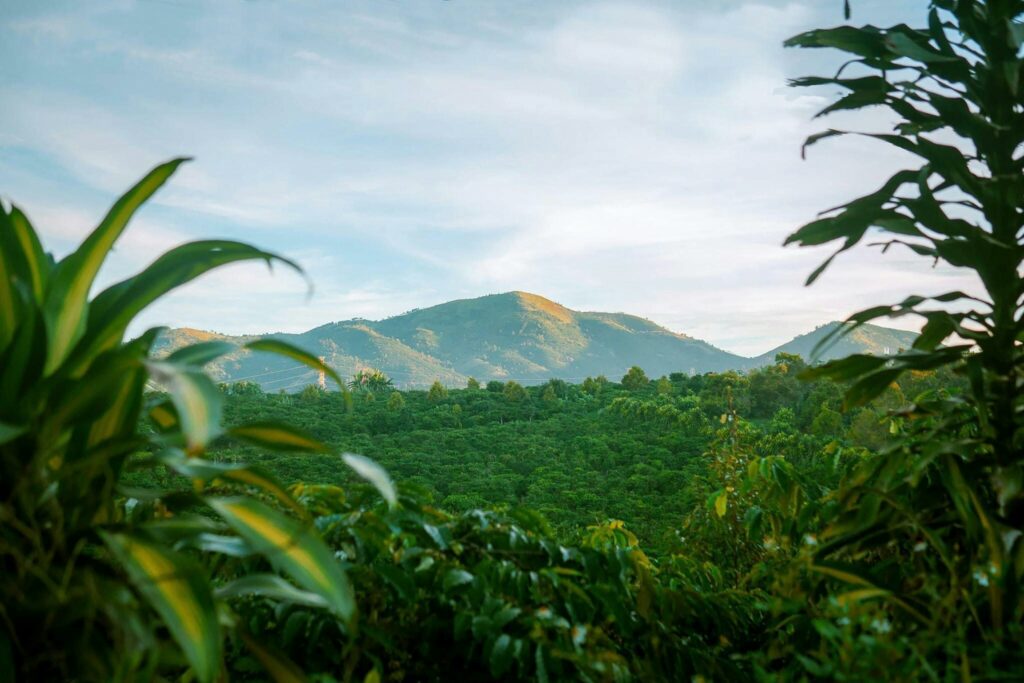 Dalat surprised me, honestly. It’s this quirky mountain town with French colonial architecture and a climate that feels nothing like the rest of Vietnam. The camping here centers around Tuyen Lam Lake and the surrounding pine forests. Several campsites have popped up offering tent rentals and basic facilities-think grills, bathrooms, sometimes even glamping tents.
Places like Dalat Edensee Lake Resort & Spa have designated camping areas, but there are also wild spots if you’re willing to hike a bit into the hills around Langbiang Mountain. The temperature stays mild year-round (15-24°C), which makes it perfect if you’re not into extreme heat or cold. Coffee plantations surround the area, so you can literally wake up, walk 10 minutes, and get fresh Vietnamese coffee straight from the source.
Practical Tips That Actually Matter
Alright, let’s talk logistics because Vietnam isn’t set up like European or American camping destinations. Gear rental exists in tourist hubs (Hanoi, Ho Chi Minh City, Dalat), but quality varies wildly. If you’re serious about camping, bring your own tent and sleeping bag or buy them in bigger cities-Decathlon has stores in Hanoi and HCMC.
Wild camping is technically not legal everywhere, but enforcement is inconsistent. In national parks, you absolutely need permits. On beaches, it’s more of a gray area-locals are usually cool with it if you’re respectful and clean up. Always ask first if you’re near villages or private land.
Weather makes or breaks your trip. Dry season (November-April) is safest for most regions, but that’s also peak tourist time. Monsoon season offers cheaper accommodation and fewer crowds, but camping in heavy rain is miserable. Check regional weather because Vietnam’s long-Hanoi and Saigon can have completely different conditions.
Is Camping in Vietnam Worth It ?
Look, it depends what you’re after. If you want well-organized campsites with all the amenities, Vietnam might frustrate you. But if you’re cool with a bit of uncertainty, basic facilities, and authentic experiences, it’s absolutely worth it. The landscapes are genuinely world-class, and you’ll have stories that friends back home won’t believe.
Just manage your expectations, do your research on specific locations, and maybe learn a few Vietnamese phrases-it goes a long way when you’re asking farmers if you can camp near their rice field. Vietnam’s camping scene is still raw, still developing, and that’s exactly what makes it special right now. Get there before everyone else figures it out.